
By Liam Garcia
As the midterm elections approach, several national issues are converging, making this a pivotal moment in U.S politics, economy, and foreign policy. Here’s a breakdown of the key dynamics shaping the national conversation, based on recent developments.
Inflation, Fuel Costs, and Consumer Confidence
Many Americans are growing increasingly frustrated with rising costs, especially at the pump and in their utilities. Gas prices have surged due to geopolitical tensions, while inflation is squeezing household budgets. According to recent surveys, a growing number of voters believe the country’s economy is worsening under current leadership.
The Federal Reserve recently raised interest rates for the first time in several years. The move is intended to check inflation, but it comes amid resistance from the administration and political figures who view such steps as a burden on voters already facing economic uncertainty. These tensions add weight to the question: can the economy rebound before the elections?
Foreign Policy Flashpoints: Iran, AI, and Global Competition
U.S. involvement in foreign conflicts—especially with Iran—continues to be a flashpoint. Diplomatic exchanges are underway, but many demands remain unresolved, including terms for war-ending agreements and sanctions relief. The conduct of these policies is under intense scrutiny, both in Congress and in the court of public opinion.
Meanwhile, the race over artificial intelligence and technological supremacy is escalating. Despite pleas from AI industry leaders for more regulation, the administration has rejected calls for a pause in progress, citing competition from China and national security concerns. This tug-of-war between innovation, oversight, and risk has become a defining tension of this period.
Midterms and Institutional Battles
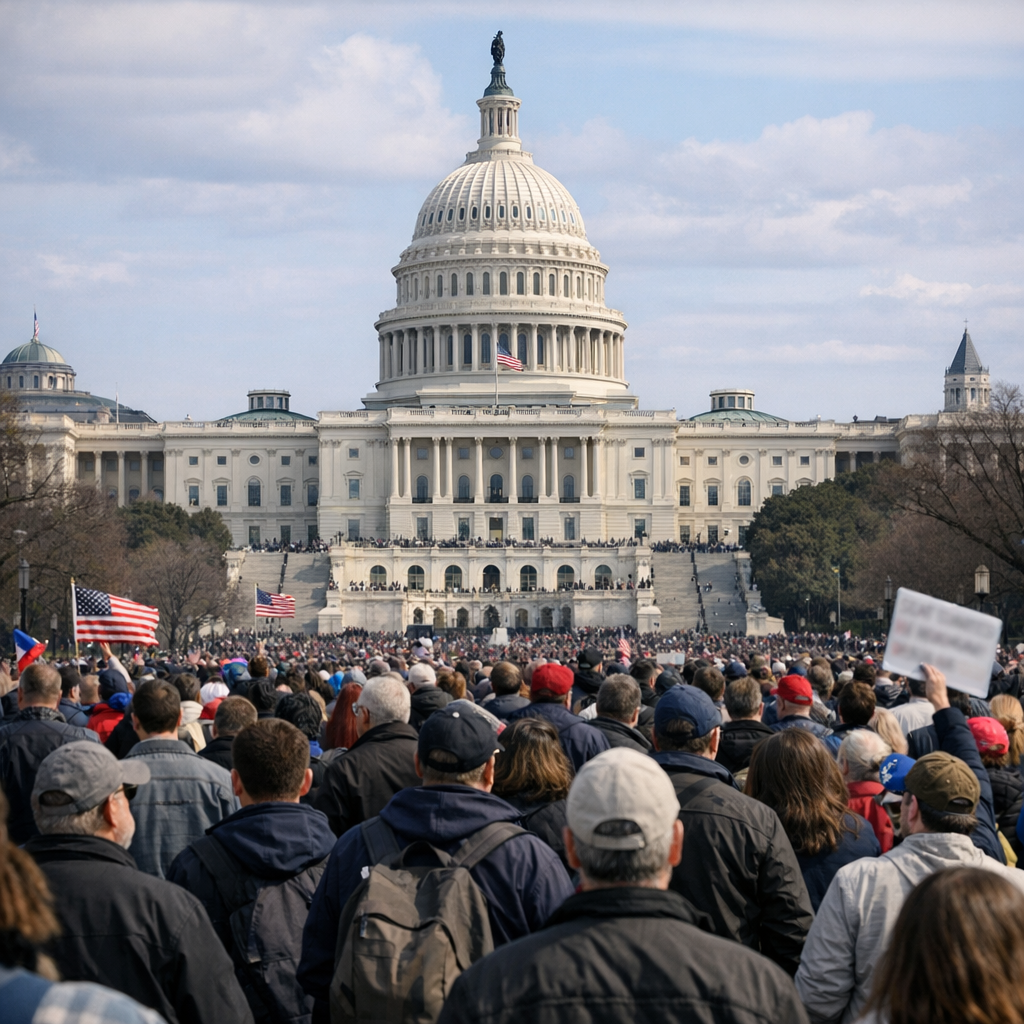
The political temperature is rising as parties strategize for control of Congress. Republicans, led by voices close to the administration, have pledged sweeping promises—some proposing direct financial relief contingent on election outcomes. But critics argue such pledges may be politically risky and legally complex.
In addition to election strategy, legal battles are unfolding over voting rights, press access, and executive power. Courts have blocked efforts to limit mail-in voting in several states. The White House’s decision to ban certain media outlets from press events has ignited concerns about transparency and free speech. Institutional norms are under stress, and the courts may become the battleground where much of the nation’s governance is decided.
What Elk Grove and Other Communities Should Know
For Elk Grove and similar communities, these national issues translate into local realities: families managing higher energy bills, businesses grappling with supply chain and trade disruptions, and civic groups facing uncertainty over how national political shifts will affect funding, policies, and social services. Voter engagement and information access will be critical this election cycle.
The coming weeks will test whether the economy recovers, whether foreign policy becomes a liability or an asset, and whether democratic institutions maintain the public’s trust. Whatever the outcome, the decisions made now will echo well beyond November.