
By Liam Garcia
Economic Growth Slows
Recent data from the U.S. Bureau of Economic Analysis shows gross domestic product (GDP) grew at a 1.5% annual rate during the second quarter. That’s a drop from earlier periods, reflecting slower momentum even as consumers kept spending. Disposable income rose modestly, but personal savings remain relatively low at around 3.0% of income. 1
Inflation Remains a Puzzle
Inflation, while easing in some respects, continues to strain household budgets. The Consumer Price Index rose about 3.4% over the past 12 months, with “core inflation” (excluding food and energy) holding steady at roughly 2.5%. Prices for food and shelter continue to rise, while energy costs have cooled — although volatility remains high. 2
Supreme Court Defines the Boundaries of Power
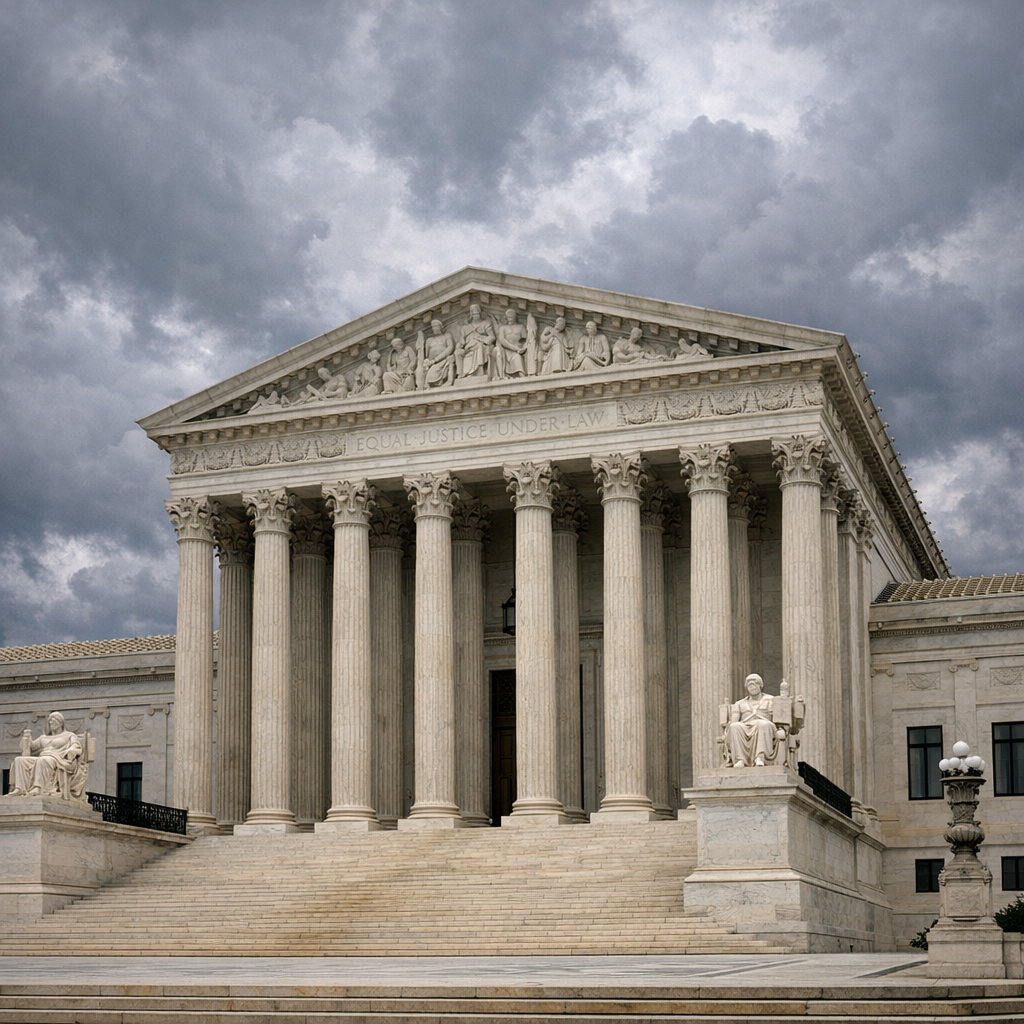
In landmark decisions, the Supreme Court upheld broad protections under the 14th Amendment by rejecting changes to birthright citizenship. It also curbed certain presidential authorities—including restrictions on firing executives at regulatory agencies—while simultaneously handing the administration wins in areas like immigration policy. These rulings are poised to influence national politics deeply. 3
Why This Matters
- For ordinary Americans: modest income gains may be offset by rising costs, especially for housing and daily essentials.
- For businesses: slower growth suggests caution in investment plans, even as consumers still drive demand.
- For the political scene: courts have drawn new lines that may change expectations for executive power and citizen rights.
As inflation remains persistent and economic growth becomes less predictable, the balance of power among branches of government also shifts significantly. The months ahead may not bring dramatic turns, but the trends will continue to affect how Americans live, work, and engage with political life.