

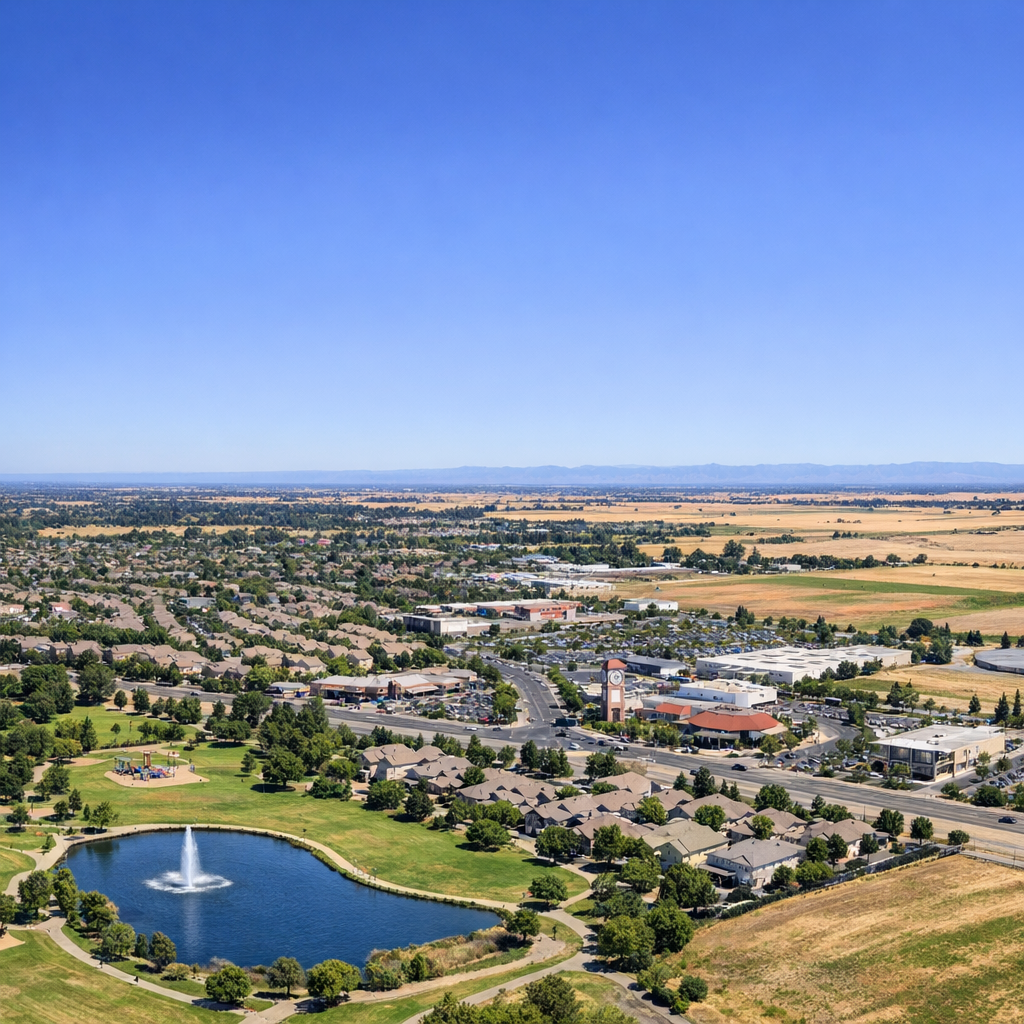
Elk Grove, California, experiences a hot-summer Mediterranean climate, characterized by hot, dry summers and cool, wet winters. This climate pattern significantly influences the city’s environment and daily life.
Seasonal Temperature Variations
During the summer months, from June to September, Elk Grove typically sees average high temperatures ranging from 85°F to 93°F. July stands out as the hottest month, with average highs around 93°F and lows near 59°F. The presence of the “delta breeze,” a cool Pacific Ocean breeze, often moderates these high temperatures, providing some relief during peak summer heat.
In contrast, the winter season, spanning from November to February, brings cooler temperatures. Average daily highs during this period are below 61°F, with January being the coldest month, averaging a low of 39°F.
Precipitation Patterns
Elk Grove receives an average annual rainfall of approximately 20 inches, with the majority occurring during the winter months. December is typically the wettest month, contributing significantly to the annual precipitation.
Environmental Implications
The distinct seasonal variations in Elk Grove’s climate have several environmental implications. The dry summer months increase the risk of wildfires, necessitating proactive fire prevention measures. Conversely, the wetter winter months replenish local water sources but can also lead to flooding concerns.
Understanding these climate patterns is essential for residents and local authorities to make informed decisions regarding agriculture, water conservation, and urban planning. By adapting to these seasonal changes, Elk Grove can continue to thrive while preserving its natural environment.